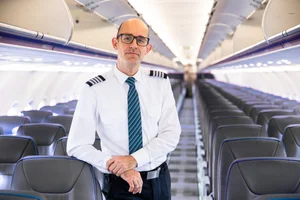
A type rating and several thousand hours on type is no guarantee you will pass a major airline’s selection.
They make it look easy
Put an experienced pilot coming from a major airline in the sim and hand them a serious failure. From the instructor’s seat, they look relaxed. It almost looks like they don’t appreciate the urgency. They work the problem through a decision making model, DODAR or equivalent: finish the specific procedure, complete the memory items, review the state of the aircraft, and have a discussion with their colleague. They go on and generate options, evaluate the environment, make a decision, assign the tasks and once all completed, they review it again, perform a briefing and only then they commit to the approach and landing. Even reading this creates anxiety as it feels like wasting time.
Your gut says that is too slow. It is an emergency, they should be getting the aircraft on the ground as soon as possible.
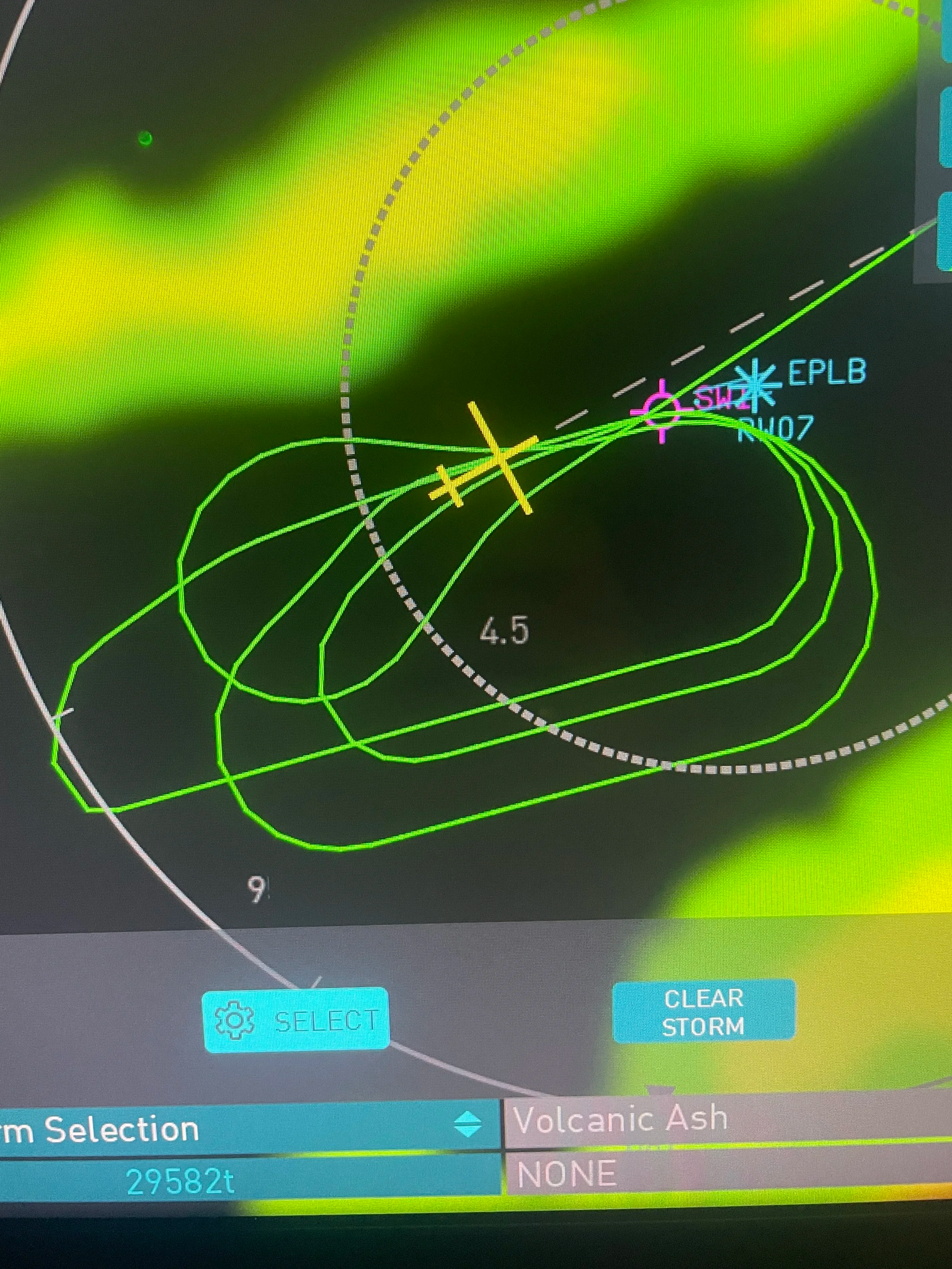
Taking their time.
We need to get on the ground, quick!
Now take another pilot with an outcome-based mindset. It is invariably a rush. Utmost urgency, entirely outcome-focused: we need to get the aircraft on the ground as soon as possible, whatever the cost. And often they do land it. But they leave a trail of small mistakes, shortcuts and procedural errors behind them, and even though they are small enough by themselves, accumulating enough of them could cause the next emergency. I have frequently witnessed this in the sim.
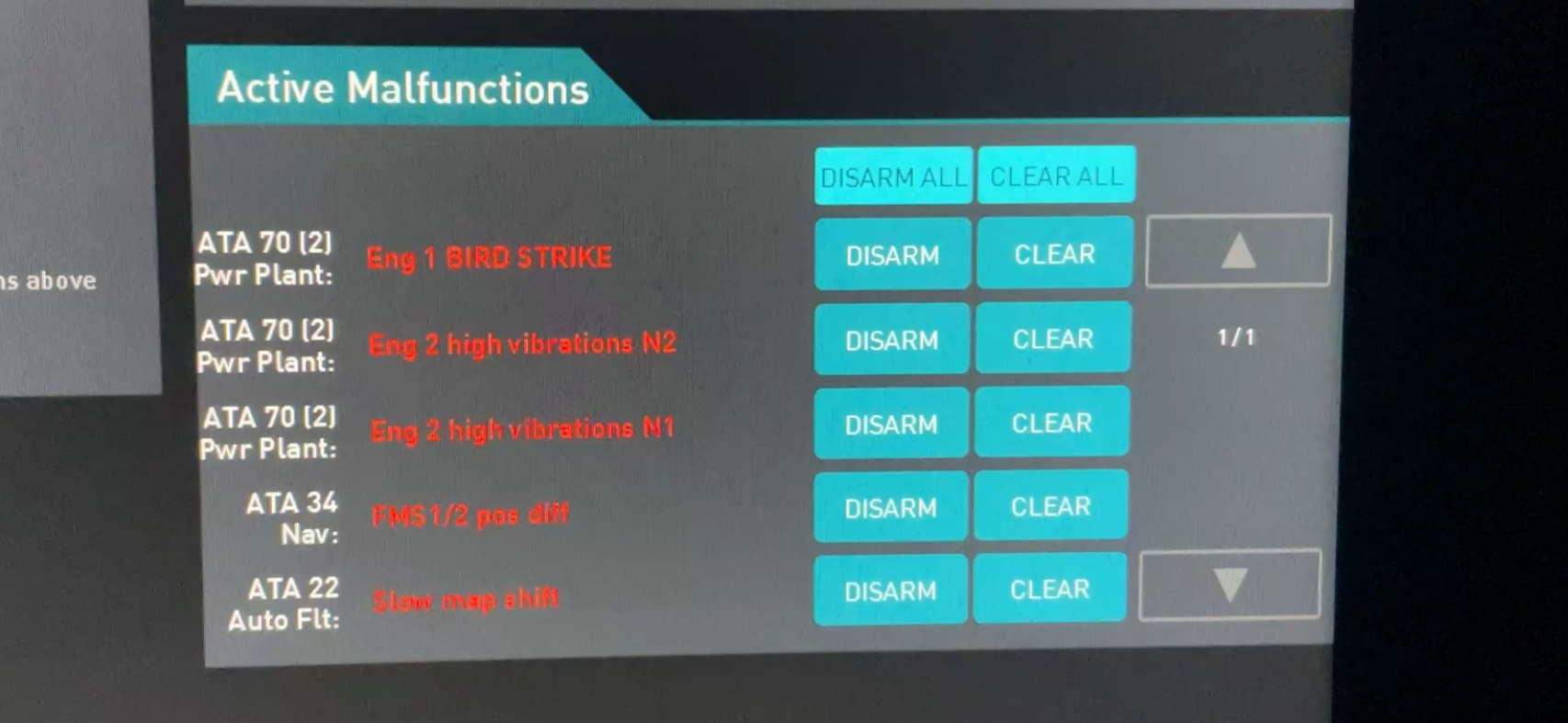
As bad as it gets.
Yes, but this pilot got on the ground faster, the argument goes.
I clocked more sim failures from the onset to landing than I can count. The difference between rushing and doing it correctly is about two minutes, maybe three. No catastrophic event was ever hinged on three minutes, yet I have seen pilots getting themselves in all sort of trouble by trying to save those three minutes.
Engine fire!
Take the most common briefing: an engine fire after takeoff. The outcome-based pilot says, I will transition straight to a visual and land back on the runway. It sounds decisive. In the sim it rarely works out, because pilots almost never fly a full visual approach to landing on a normal day, let alone with the excitement of an engine on fire. No mental capacity is spared: the final is short and rushed. They usually overshoot the touchdown zone risking an overrun. They have become test pilots, flying an abnormal approach on top of an abnormal situation.
This scenario in the major airline world calls for the dull answer. Keep the automation on. Ask for short vectors to an ILS, the most standard approach there is. Instead of a four-mile final you take a six-mile final. The cost is about thirty seconds. That is the whole difference. One pilot keeps it as close to a non-event as possible and flies everything as standard as possible. The other has been primed to invent a new way of flying because of the sense of urgency.
What the majors want
This is process-based flying against outcome-based flying, and the process-based mentality is what major airlines want. They want someone close to an emotionless robot. A pilot who can override the urge to act immediately and let the method do the work. The modern jet is built for exactly this. You are not supposed to do much. You oversee, you manage, you make the decisions, and you let the aircraft handle the rest.
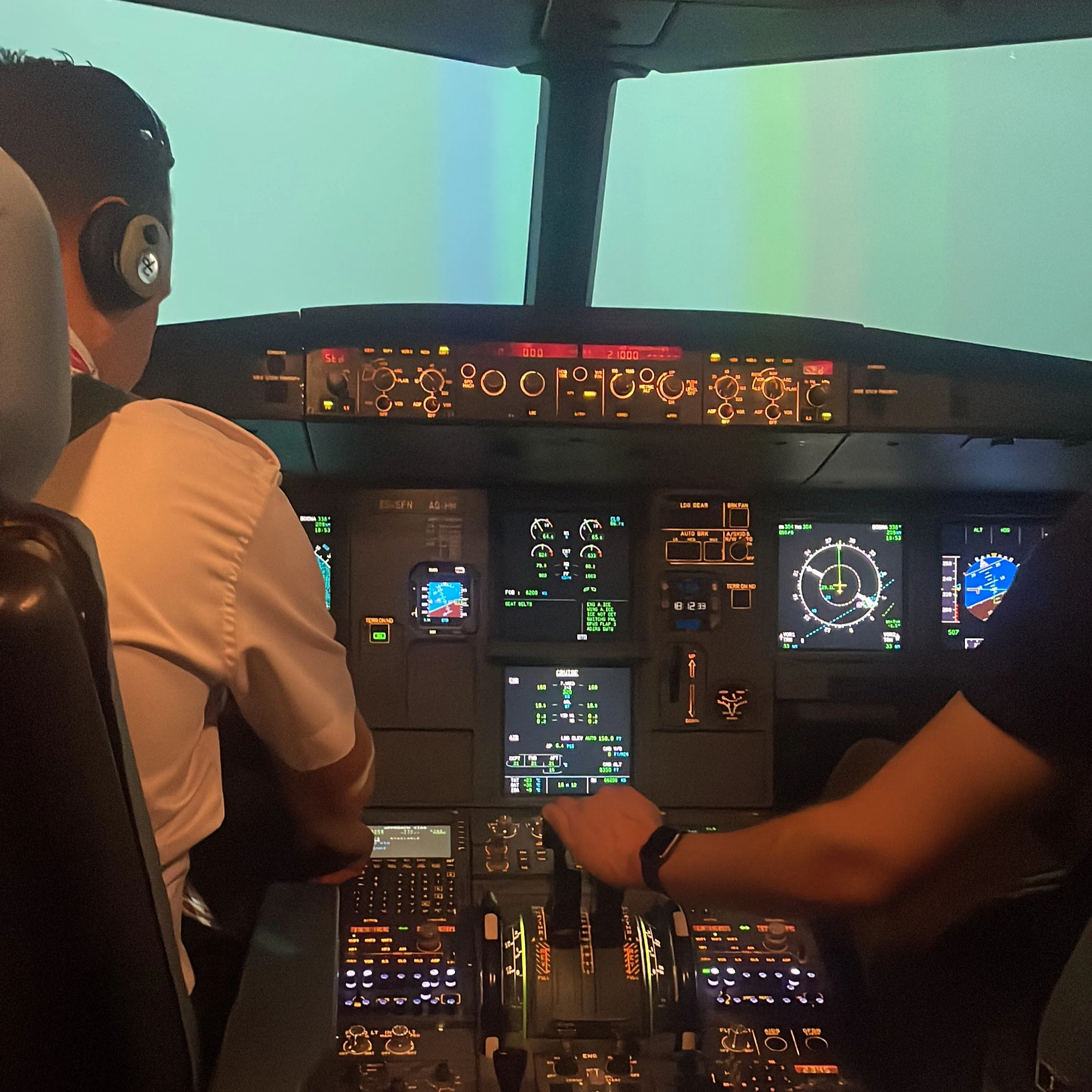
It takes constant practice and a highly organised training environment.
It’s not just you
The mentality is not solely the pilot’s responsibility. Every pilot can be trained to a standard. It is the operator who decides the culture. Process-based flying comes from the big airlines, because they have the resources to build it. They have the statistics, they monitor industry-wide data, and they have shaped their whole operation around it.
What if no procedure exists?
A fair objection. If you just follow the SOPs, what happens when the unexpected arrives? The unexpected is statistically rare. Runway overruns and controlled flight into terrain are not. Those happen regularly, and the majors chose to address the problem that is losing airframes worldwide, rather than a shortage of creativity. Overwhelmingly, accidents happen when a crew with a perfectly serviceable aircraft does something rash, something against the SOPs. There is usually no situation that is impossible to solve. Someone simply did not do something right. That is what the procedural discipline exists to stop. When black swan events start bringing down crews who cannot cope, the airlines will train for those too. For now, they are fixing the risk that is real.
Just like Sully.
And the pilots who spend long years inside this rigid, disciplined world are some of the best there are. They can still hand-fly like champs. They know the aircraft and the operation so deeply that they can deviate from a procedure the moment it stops making sense, because they see the whole picture. But that level of understanding comes with the discipline of doing it right thousands of times.
The age of the heroes is gone
No matter how much we would like it to be, being an airline pilot is not a creative job. It is rigid, repetitive and robot-like, and that is exactly what is expected of you. You cannot be a cowboy, and you cannot be the Chuck Yeager who deviates from the process when it suits him. Major airlines pay you for your discipline, not for your creativity or your exceptional flying. They give you the money, the lifestyle and the stability for your willingness to do it exactly as it is written, every single day.
You can decide you don’t like it. That is allowed. Go corporate or fly for a small operator, that is absolutely fine. But if you want a major airline, you adopt this process. No two ways about it.
Interested in finding out whether you are ready for the majors? Book your Mock Assessment, even without an assessment date secured!